Chosen theme: Crafting Herbal Oils and Vinegars at Home. Welcome to a fragrant, flavorful journey where simple herbs meet everyday pantry staples, transforming your cooking, gifting, and kitchen rituals with vibrant infusions and meaningful, hands-on creativity.
Foundations of Flavor Extraction
Select neutral oils like light olive, grapeseed, or sunflower for clarity, or choose fruity extra virgin for depth. For vinegars, try bright apple cider, white wine, or rice vinegar. Balance herb intensity with your base so neither overwhelms the other.
Foundations of Flavor Extraction
Wash jars in hot, soapy water, then rinse and dry completely, or run them through a hot dishwasher cycle. Use clean utensils, dry herbs for oils to reduce moisture, and always keep workspace tidy. Careful preparation safeguards flavor and helps protect shelf life.
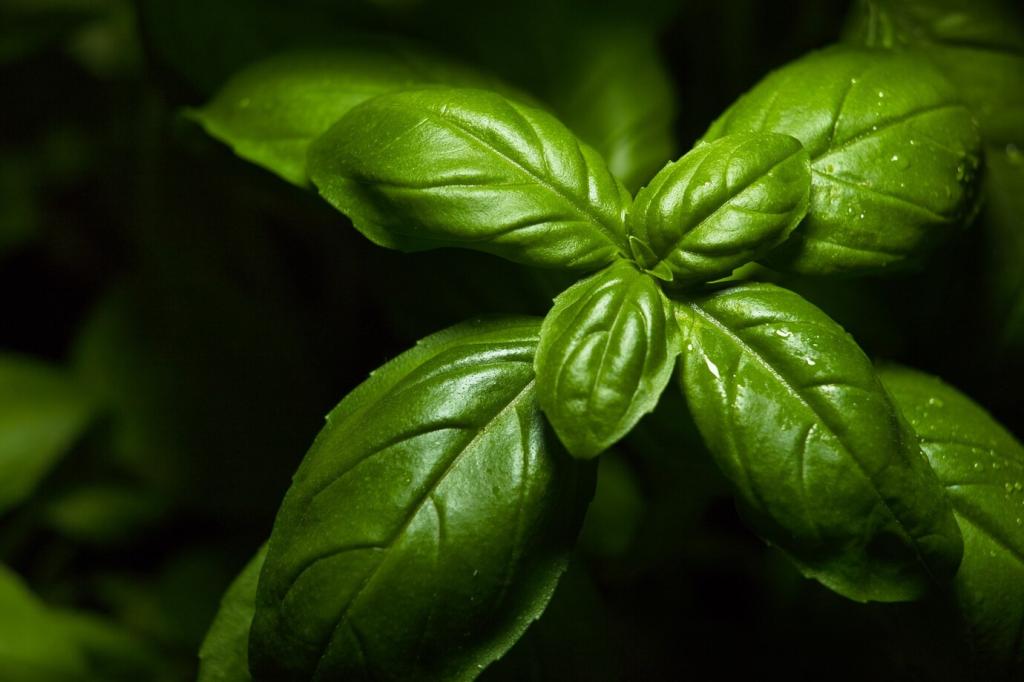
Pack jars loosely with herbs, fully cover with oil or vinegar, and seal. Store away from light, shaking daily to circulate flavors. This patient approach preserves fresh, green top notes that heat can mute, especially in basil and tender leafy blends.
Warm oil in a double boiler or sous vide bath around 50–60°C (122–140°F). Low heat teases out deeper tones from hardy herbs without scorching. Cool completely before straining. This technique is excellent for rosemary, peppercorns, and citrus peel combinations.
Lightly bruise herbs, warm your base briefly, and let sit for several hours. Strain, bottle, and label attractively. While less complex than slow methods, flash infusions deliver impressive aroma quickly. Include usage ideas on the tag to delight your recipient.
Use thoroughly dried herbs in oils to limit water activity. Fresh garlic or wet herbs in oil can pose botulism risk. When in doubt, acidify separately or choose vinegar. Refrigerate oil infusions, keep them clean, and enjoy within several weeks for best quality.
Safety, Shelf Life, and Peace of Mind
Always label jars with herb, base, and start date. Store oils refrigerated and vinegars in a cool, dark place. If cloudiness or off smells appear, discard. Good records help you refine recipes, track freshness, and share reliable guidance with friends.
Post your ratios, infusion times, and tasting impressions. What surprised you, and what would you change next batch? Your notes help everyone refine techniques and explore new herb pairings. Add photos of color shifts and clarity after straining for reference.