Creative Herb-Infused Baking Ideas
Chosen theme: Creative Herb-Infused Baking Ideas. Welcome to your new favorite corner of the kitchen, where basil meets butter, rosemary kisses chocolate, and mint turns simple sugar into memories. Explore bold, aromatic bakes, learn foolproof techniques, and share your own experiments—then subscribe for weekly herb-powered inspiration.
Herb Pairing Basics for Sweet Doughs
Great herb pairings lean on shared aroma compounds. Lavender and basil share linalool, making lemon and vanilla reliable bridges. Mint finds harmony with lime and dark chocolate. Discover your bridge ingredients, then tell us your favorite herb trio in the comments to inspire fellow bakers.
Herb Pairing Basics for Sweet Doughs
Herbs can bring a bitter edge when used generously. Balance with fat for roundness, a pinch of salt for clarity, and brighter sugars like light brown for caramel softness. Practice micro-dosing first, then scale up. Ask questions below and we’ll help troubleshoot your next aromatic bake.
Infusion Techniques That Elevate Your Bakes
Herb-Infused Butter and Ghee
Warm butter with a rosemary sprig until fragrant, never browned, then steep off heat and strain. The result is aromatic fat that transforms shortbread and scones. My grandmother swirled thyme into ghee for honey biscuits; the perfume turned rainy mornings into cozy rituals worth repeating.
Sugar, Syrup, and Honey Infusions
Pulse sugar with mint for a verdant, aromatic dust that sweetens meringues and glazes. Make simple syrup with basil for fruit-soaked cakes or drizzle honey infused with bay over warm pound cake. Label jars, date them, and share your favorite infusion combo so we can feature it next week.
Creams and Milks for Custards
Scald milk with fresh mint, bay, or lemon verbena, then cover and steep for fifteen minutes before straining. This gentle approach protects delicate aromatics in panna cottas, crème brûlée, and pastry creams. Curious which herb to try first? Comment below and we’ll tailor suggestions to your bake.
Signature Recipes to Try This Weekend
Lemon-Lavender Shortbread with Vanilla Salt
Cream lavender sugar into softened butter, add lemon zest, and rest the dough so floral notes relax. Chill, slice, and bake until edges blush gold. Finish with a whisper of vanilla salt. Keep lavender light to avoid soapiness, and tell us how many disappeared before they cooled.
Dark Chocolate Rosemary Brownies
Melt butter with a rosemary sprig, remove the herb, then bloom cocoa in the infused fat. Fold into batter with espresso and flaky salt. The piney aroma deepens chocolate’s bass notes. This became a bake-sale legend on our block—share your tweaks and we might test them on camera.
Strawberry Basil Olive Oil Cake
Whisk olive oil with sugar and eggs until glossy, then fold in basil ribbons and macerated strawberries. The crumb lands tender, almost chiffon-like, with garden-bright perfume. Serve with basil-lime syrup. Post your slice photos and tag us—your version could inspire our next seasonal variation.
The Science of Herb Aromatics in Baking
Volatility and Bake Times
Aromatic molecules like linalool and menthol are volatile and can fade in long bakes. Preserve them by infusing fats first, covering pans briefly, or stirring a small portion of fresh herbs into warm glazes. Try split-dosing herbs, then report back on which timing kept the brightest flavor.
Grinding, Bruising, and Particle Size
Finely chopped herbs distribute evenly, but over-processing releases chlorophyll bitterness. Use a sharp knife or microplane for citrusy herbs, and a mortar for gentle bruising. For ultra-fine flecks, freeze leaves briefly before chopping. Share your texture tricks to help others avoid green speckles and harsh notes.
pH, Acidity, and Color
Acidity preserves green vibrancy while baking soda can dull or brown delicate herbs. Balance batters with lemon juice or buttermilk when using basil or mint. Keep thermal exposure moderate. Tried a colorful matcha-mint loaf? Tell us how acidity shaped hue and flavor, and we’ll compare lab notes.
Seasonal Playbook for Herb-Infused Baking
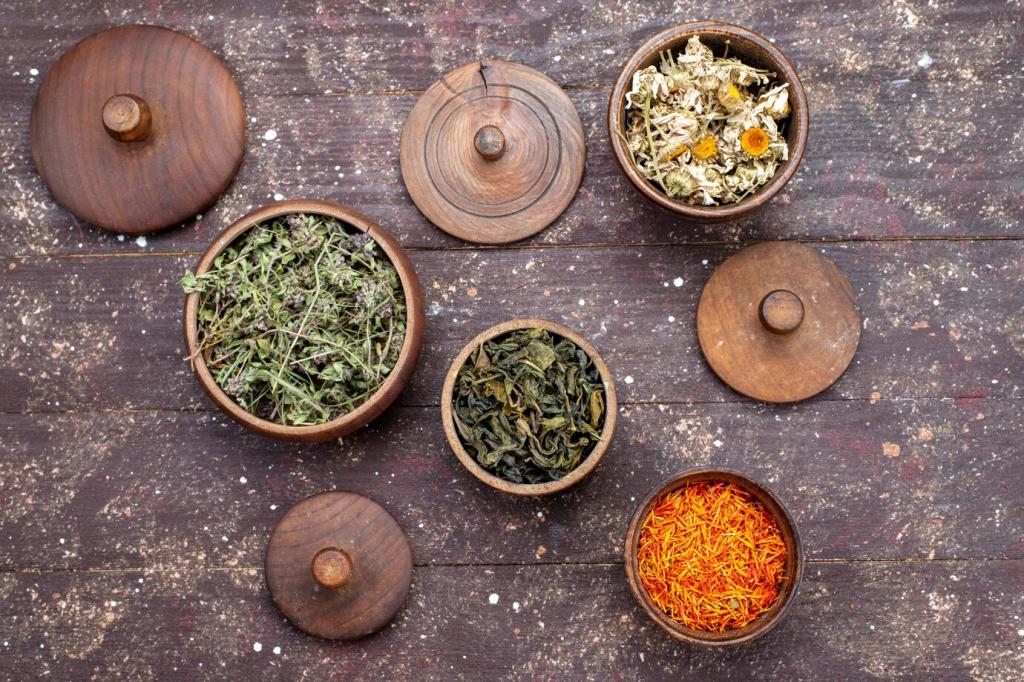
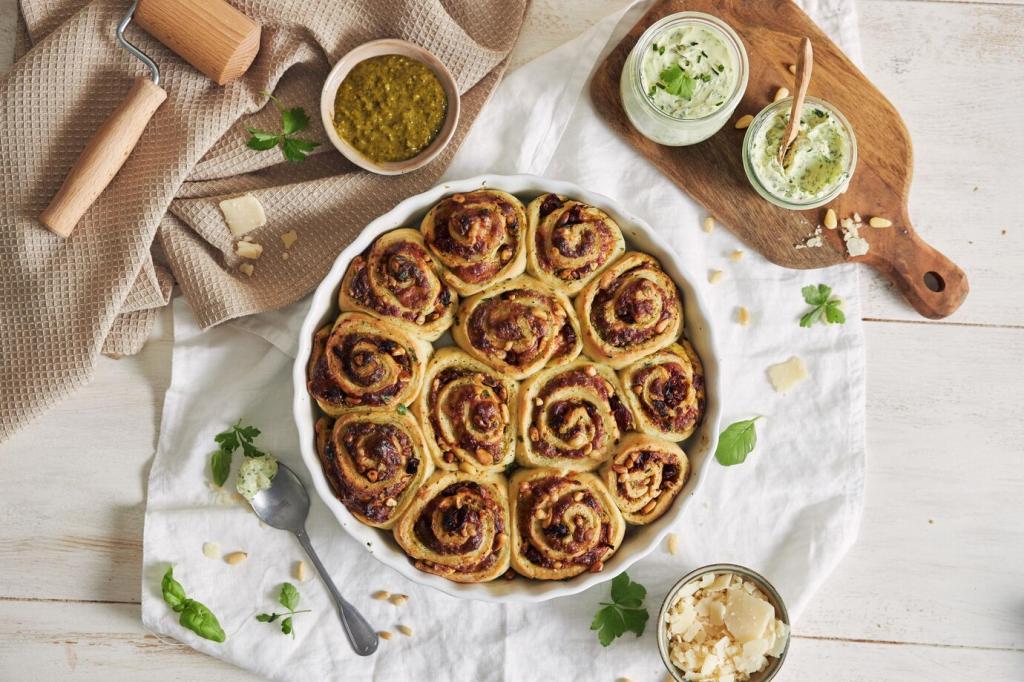
Lean into mint, lemon balm, chamomile, and tender thyme for angel food cake, pavlova, and panna cotta. Elderflower syrup makes delicate companions. Keep flavors light and bright. Share your first spring herb bake in the comments, and we’ll feature a roundup to celebrate new growth.
Avoiding Soapiness with Lavender and Rosemary
Start tiny: one teaspoon dried lavender per cup of flour, or a single rosemary sprig for butter infusion, then strain. Brighten with lemon to keep floral notes clean. Share your missteps and recoveries—we’ll add them to a living guide so newcomers skip the same hurdles.
Bitterness and Oxidation
Basil blackens when bruised and exposed to oxygen. Fold gently, coat with a touch of oil, or use infused syrups. Bake promptly, and keep oven temperatures honest. Save our checklist, and tell us which method rescued your last loaf so we can celebrate your win.
Texture and Distribution
For even flecks, mince herbs finely and toss with sugar to prevent clumping. Consider infusion for smooth crumbs, inclusion for visible flecks. Sift dry ingredients thoroughly, and test a single cupcake before committing a full pan. Questions? Drop them below and we’ll answer with tailored fixes.