

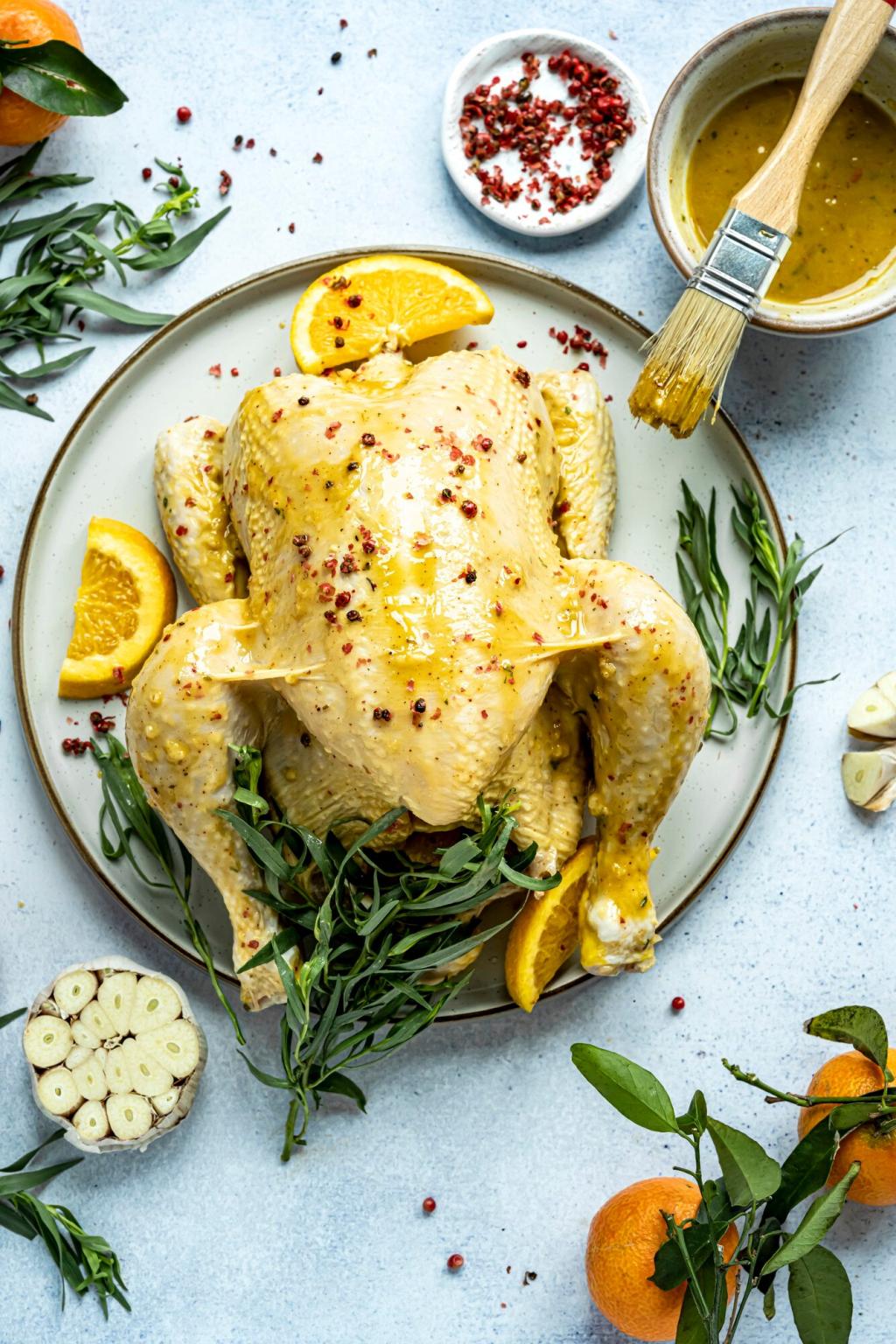
Bursting With Freshness: Herb-Enhanced Sauces and Marinades

Selected theme: Herb-Enhanced Sauces and Marinades. Step into a fragrant world where basil, rosemary, and cilantro turn simple meals into memorable experiences. Subscribe for weekly herb-forward tips, share your own flavor victories, and cook alongside a community that loves bright, green, garden-born magic.

Garden-to-Table Flavor Foundations

Soft, leafy herbs like basil, parsley, and cilantro shine in uncooked sauces, delivering verdant lift. Woody herbs like rosemary and thyme thrive in marinades for grilling, releasing oils gradually. Begin with fragrance, then match intensity to your ingredient.
Olive oil rounds edges; citrus or vinegar brightens; salt unlocks herbal aromas; a whisper of honey softens acidity. Taste repeatedly as herbs bloom over minutes, transforming a good sauce into a layered, memorable finish with elegant balance.
One July evening, leftover garden basil met lemon zest and toasted pine nuts in a quick sauce. It cloaked grilled zucchini, perfumed the air, and had neighbors leaning over the fence, asking for refills and the scribbled, still-warm patio recipe.

Knife Skills for Maximum Aroma

Use a sharp knife to slice herbs cleanly, avoiding bruised, dark edges. Rough-chop for rustic sauces; chiffonade basil for delicate spreads. Mince only right before mixing, because surface area amplifies fragrance, and volatile oils evaporate quickly with air exposure.

Warm Infusions Without Cooking the Green

Gently warm oil with crushed rosemary, thyme, or sage to coax aromatic oils. Remove from heat before herbs brown. This infused base deepens marinades and sauces, preserving freshness when you later add tender greens like parsley, dill, or chives off heat.

Timing Is Everything

Stir hardy herbs in early to mellow assertive edges, but save delicate leaves for the finish. Marinades benefit from crushed herb stems early; sauces prefer a late toss of leaves. Taste, pause, then retaste after five minutes as flavors integrate gracefully.

Global Inspirations With Fresh Herbs

01
Parsley, oregano, garlic, olive oil, and vinegar create a sauce that loves smoke and fire. Brush on steak or vegetables. A neighbor once traded tomatoes for a jar, then returned with an empty bottle and a grin wider than the grill itself.
02
Classic nuoc cham balanced with lime, fish sauce, sugar, and chilies becomes garden-bright with mint and cilantro. Drizzle over grilled shrimp or crunchy greens. The mint cools the chili heat, while cilantro adds citrusy lift that lingers invitingly on the palate.
03
Parsley, capers, anchovy, lemon, and olive oil transform roasted fish into a seaside memory. A fisherman in Liguria swore by extra zest and chopped fennel fronds, claiming the aroma carried sea breeze straight to the plate, no matter the season.

The Science of Marinades and Herbs

Vinegar, citrus, and yogurt loosen protein structures near the surface, helping herbs cling and season evenly. Avoid over-marinating delicate fish; minutes suffice. For vegetables, acidity opens pathways for aromatic oils, producing a crisp, juicy bite with herbal perfume.

The Science of Marinades and Herbs

Rosemary, thyme, and oregano contain potent antioxidants that tame harsh flavors formed during high-heat cooking. Studies suggest herb-rich marinades can reduce certain char-related compounds on grilled meats, turning flavor-building into a delicious act of mindful kitchen care.

Pairing Guide: Proteins, Vegetables, and Grains

Proteins That Sing With Greens

Chicken loves lemon-thyme marinades; salmon embraces dill, parsley, and citrus; beef meets rosemary and garlic with gusto. For tofu and tempeh, try cilantro-lime with a touch of soy. The right herb chorus turns gentle proteins into confident, memorable centerpieces.

Vegetables With Vivid Contrast

Zucchini drinks basil and mint; eggplant adores oregano and garlic; mushrooms crave thyme and parsley. A quick rosemary oil rub on potatoes crisps beautifully. As seasons shift, swap basil for tarragon with spring peas, preserving brightness without overwhelming delicate sweetness.

Grains and Legumes Need Lift

Stir herb sauces into farro or quinoa while still warm to absorb perfume. Parsley-lemon vinaigrette wakes lentils; cilantro-mint chutney refreshes rice. Keep a small jar ready for lunch bowls, then share your favorite combinations in the comments to inspire others.

Make-Ahead, Storage, and Safety

Blanch leafy herbs quickly and shock in ice water before blending for greener sauces. Add acid early to lock color. Store in small containers to minimize air exposure, then top with a thin oil layer that protects vibrant flavor until serving.

Make-Ahead, Storage, and Safety

Most herb sauces keep three to five days refrigerated; freeze in cubes for month-long convenience. Marinades are best made fresh. Apply to proteins just before chilling, not at room temperature. Label jars with dates and herb blends to track experiments intelligently.

Tell Us Your Signature Sauce

What herb blend defines your kitchen? Post your go-to ratios, the ingredient you cannot skip, and the dish that made friends ask for seconds. Your notes help newcomers trust their senses and follow fragrance as confidently as any written recipe.

Weekly Challenges and Seasonal Swaps

Subscribe for prompts like mint three ways or rosemary beyond roasts. We celebrate seasonal turns, swapping basil for tarragon or chive for scallion. Tag your creations so the community can taste with their eyes and borrow inspiration for tonight’s dinner.
Austmg
Privacy Overview

This website uses cookies so that we can provide you with the best user experience possible. Cookie information is stored in your browser and performs functions such as recognising you when you return to our website and helping our team to understand which sections of the website you find most interesting and useful.